
Skip to content
Discuss your project

Software maintenance and ongoing engineering for the systems your business runs on.

Keep the application current, secure, and improving. Updates, fixes, and the next improvements ship on a regular cadence, with monitoring in place and the scope of the work agreed in writing.

Who hires us for this

Owners and operations leads whose business runs on an application, built by us or by someone else, that needs someone accountable for keeping it running, current, and improving. Also teams that run their own software and want senior engineers for the work they cannot staff.

Why now

  • The application works and nobody is watching it.
  • Security and dependency updates are behind, and the last one was frightening.
  • The list of small improvements is long and nobody has time for them.

What this covers

What software maintenance and ongoing engineering covers.

Monitoring and response

Failures, errors, and slowdowns visible to us and to you, with a named person responsible for looking.

Updates

Dependencies, platforms, and security patches kept current, tested, and released without surprises.

Fixes

Defects found, reproduced, fixed, tested, and released, with the cause recorded.

Small improvements

The list your team keeps: fields, reports, screens, integrations, released on a cadence.

Taking over software others built

After an assessment, ongoing engineering on applications the first team left behind.

Read more

Documentation kept current

The runbook, the system map, and the decisions, so nothing depends on memory.

A decision, not a pitch

Run it yourself, keep us on, or hand it to a new team?

Every system we build is handed over so all three are possible. This is how the choice usually goes.

ConsiderationYour team runs itOngoing engineering with usA new team takes over
Fits whenYou have engineers and the system is documentedYou want senior capacity without staffing itYou are consolidating vendors or hiring
What you need from usThe handover: runbooks, documentation, trainingA written scope of what is covered and howThe same handover, plus a transition
Dependency on usNoneBy choice, not by designNone after transition

For each ongoing engagement, we agree in writing on what is covered, how requests are handled, and what it costs.

When companies call us

If this sounds like your business, here is where we start.

The application we built is live and the team wants us to keep going

Continued engineering on a cadence: monitoring, updates, fixes, and the improvement list, with the scope agreed in writing.

An application someone else built needs an owner

An assessment first, then stabilization, then ongoing engineering with documentation as the first deliverable.

Updates are behind and the last one broke something

A test environment, a release process, and updates on a schedule, so the next one is routine.

The improvement list is long

Prioritized with the owner, released in small increments on a cadence you set.

How the work runs

Scoped in writing, built in releases, handed over.

  1. 01

    Agree on the boundary

    Which systems, what is covered, how requests reach us, how releases happen, written down.

  2. 02

    Put monitoring in place

    Errors, failures, and slowdowns visible to both sides, with a named person responsible.

  3. 03

    Set the cadence

    Updates on a schedule, improvements released in increments, a regular review with the owner.

  4. 04

    Keep the documentation current

    Every change recorded; the runbook and system map updated with each release.

  5. 05

    Review

    Regularly, with the owner: what was done, what is next, and whether the boundary still fits.

Deliverables

What you receive.

  • Written scope

    What the first release includes, what it leaves for later, the integration decisions, the acceptance criteria, and the price, agreed before development begins.

  • Release notes

    What changed in each release, what was tested, what the security review covered, and how to roll it back.

  • Documentation and runbooks

    How the system is built, how to run it day to day, and what to do when something fails.

  • Training and handover

    Sessions with the people who will use and run the system, and a handover checklist your team signs off on.

Every release ships with tests, a security review, and documentation, so your team can run what we build.

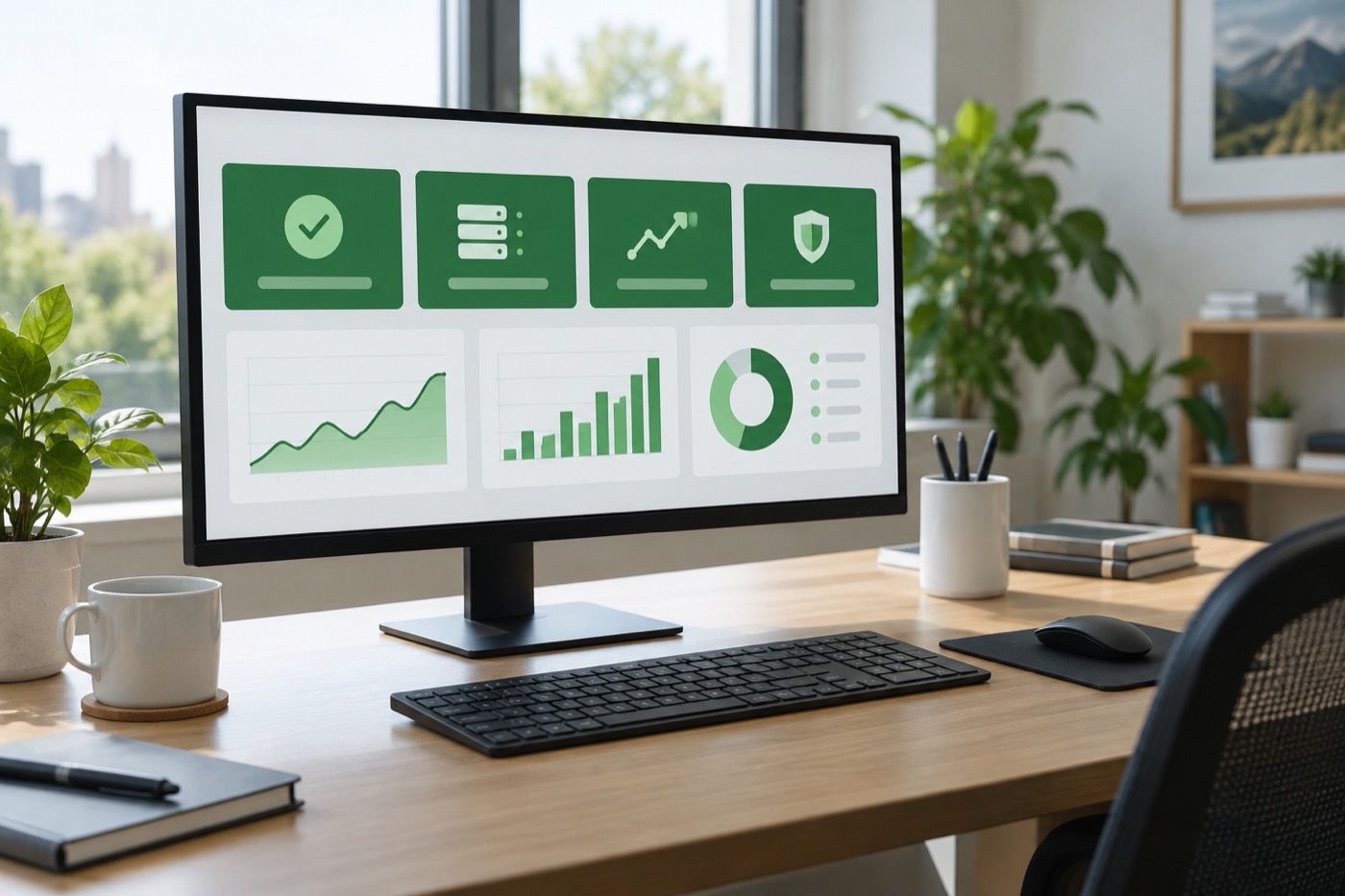
Illustration of an ongoing engineering cadence built by Baybloom: dependency and security updates, fixes, and small improvements released on a schedule, with monitoring visible to both sides.

Your first release

What the first release could include.

The scope is written and agreed before development starts. This is the shape it usually takes.

In the first release

  • A written boundary: systems, coverage, request path, release process
  • Monitoring visible to both sides
  • Dependencies and security patches brought current, with a test environment
  • The improvement list prioritized with the owner
  • Documentation and runbooks brought up to date

Usually later

  • Improvements released on the agreed cadence
  • Larger initiatives scoped separately as projects
  • Transition support if the system moves to your team

Systems it may connect

Built to work with what you already run.

  • Applications we built
  • Applications we took over after an assessment
  • Cloud hosting and delivery pipelines
  • Monitoring, logging, and alerting tools
  • Source control and issue tracking
  • The business systems the application connects to

Home services company

The booking system stays current and keeps improving without an in-house engineering team.

A home services company that depends on its booking system usually has no engineers on staff, so updates slip and small problems wait until they turn into outages. Ongoing engineering starts with a written boundary covering the systems, the request path, and the release process. Monitoring is visible to both sides, dependencies and security patches are brought current with a test environment, and the improvement list is prioritized with the operations lead and released on a regular cadence. Larger initiatives, such as a customer app, are scoped as separate projects, and documentation keeps pace with every change.

In plain terms

What is ongoing engineering?

Software maintenance and ongoing engineering is the work after launch: keeping an application running, current, secure, and improving, on a cadence, with someone accountable. It covers monitoring, updates, fixes, and small improvements; larger initiatives are scoped as projects.

Every engagement has a written boundary, and every system we maintain is documented so anyone on your team can pick it up. We set coverage separately for each engagement.

Questions

Questions about software maintenance and ongoing engineering.

What buyers ask before a project starts, answered plainly.

Do you only maintain software you built?

No. We take on software others built after an assessment and stabilization, with documentation as the first deliverable. See software rescue.

What is covered?

Monitoring, updates, fixes, and small improvements within a written boundary agreed for each engagement. Larger initiatives are scoped separately as projects.

How quickly do you respond?

We agree on response times and coverage in writing for each engagement, based on the system and what the business needs from it.

How are improvements prioritized?

We prioritize them with the owner at a regular review, by value and risk, and release them in small increments on the agreed cadence.

Discuss ongoing engineering.

Tell us about the work and the systems around it.
We’ll come back with a written scope for a first release.